
US CMA: The Fastest, Future-Ready Finance Course
-
Global Degree
in 8-12 months -
Only 2 Exams
50%+ Pass Rates -
Start Salary
₹6.5 Lacs +
🏆Approved CMA Course Provider 🏆

US CMA made simple, your free handbook awaits!

What is US CMA® Course?
The Gold Standard in Management Accounting Globally
The Certified Management Accountant (US CMA) is a globally recognized certification in financial management and strategic management accounting. Offered by the IMA (Institute of Management Accountants, USA), a prestigious body with over 140,000 members worldwide, this elite credential is recognized in 150+ countries. It equips you with expertise in financial planning, analysis, control, and decision-making—all in just two exam parts!
Master Business, Finance, and Analytics. Build 12 critical competencies skills.
Checkout CMA Levels ->
📍Key Highlights: US CMA
- Recognized in 150+ Countries - valued by employers in the USA, Canada, India, The Middle East, & beyond.
- Master Core Business Skills - Expertise in Financial Planning, Analysis, Control, Decision Support & more
- Work at Top Companies - Big 4s & Fortune 500 firms like Deloitte, EY, and Amazon hire CMAs.
- Study with College or Work - pursue the US CMA course with college or a full-time job.
- Smart Investment, High ROI - Spend ₹1.5-1.75L, earn upwards of ₹6-8 LPA.
📍Benefits of US CMA Certification?
- Gold Standard in Management Accounting – A prestigious certification trusted by top global employers.
- Endless Career Opportunities – From financial management to consulting, unlock global job prospects.
- Future-Proof Your Career – Develop expertise that remains relevant in an evolving business landscape.
- Fastest Global Certification – Complete the US CMA program in just 8-12 months and boost your career.
- Accelerate Your Growth - The US CMA course isn’t just a certification—it’s a career game-changer.
US CMA Course Details
The US CMA course details provide a comprehensive roadmap for understanding core financial concepts, risk management, and decision-making skills essential in today’s competitive business environment. This course is structured to equip candidates with practical tools for budgeting, performance management, and financial reporting. With a focus on both theoretical knowledge and real-world application, the US CMA course details ensure candidates gain a thorough grasp of management accounting practices. The CMA course details include two parts, covering various aspects of management accounting and financial analysis.
Part 1
Financial Planning, Performance & Analytics
Topic:
Financial reporting, budgeting, cost management, internal controls, and technology in decision-making.
Pattern:
100 multiple-choice questions (MCQs) and 2 Case-based questions.
Exam Duration: 4 Hours
Attempts:
Offered during January-February, May-June, and September-October windows.
Passing Marks:
A score of 360 out of 500 (72%).
Pass Rate (Avg.): 50%
No Negative Marking
Part 2
Strategic Financial Management
Topic:
Risk management, corporate finance, investment analysis, and professional ethics.
Pattern:
100 multiple-choice questions (MCQs) and 2 Case-based questions.
Exam Duration: 4 Hours
Attempts:
Offered during January-February, May-June, and September-October windows.
Passing Marks:
A score of 360 out of 500 (72%).
Pass Rate (Avg.): 50%
No Negative Marking
Eligibility for the US CMA Course
Here’s what drives thousands of Indian students to invest in their future!
- US CMA Eligibility Criteria
- Start after Grade 12
📹US CMA 2026 Breakdown — Clear, Quick & Candid. 🎯
US CMA vs CMA India
US CMA vs CMA India: Which Certification Should You Choose?
| Parameters | US CMA | CMA India |
|---|---|---|
| Parent Body | IMA (Institute of Management Accountants, USA) | The Institute of Cost Accountants of India (ICMAI) |
| Course Duration | 8 - 12 months | 3 - 4 Years |
| Cost to Pursue | INR 1.5 - 1.8 Lacs | INR 2 Lacs |
| Academics | 2 Papers, single-level exam | 20 papers, 3-level exam |
| Exam Mode | Online (Jan-Feb, May-Jun, Sep-Oct) | Pen-Paper (Jun & Dec) |
| Pass Rates | 40-50% Globally | 10-20% |
| Recognition | Globally recognized | Primarily recognized in India |
US CMA vs CMA India in 2026 - Career, Salary, and Scope Explained!
We are Synthesis Learning - Best US CMA Course Coaching In India
We're a House of Global Courses - trusted in 25+ cities in India
Why Students 💙 Us?
- 25+ Years of Legacy - Trusted by 20,000+ students across 25+ Indian cities and 10+ countries.
- End-to-End Support - From expert-led coaching to mentoring and 100% job assistance.
- Learn Your Way - Classroom & Live Online Sessions, choose what suits your schedule.
- Exam-Focused Training - Mock tests, personalized study plans & expert mentors to help you pass faster.
- Smart Learning with eCampus - Access lectures, notes, and tests anytime, anywhere.
Take the First Step—We’ve Got You! 🔥
Modes of Learning
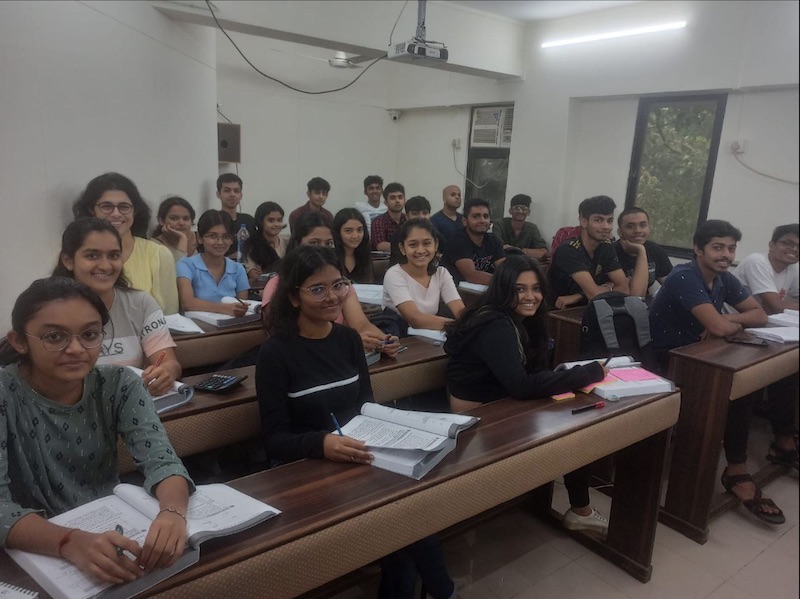
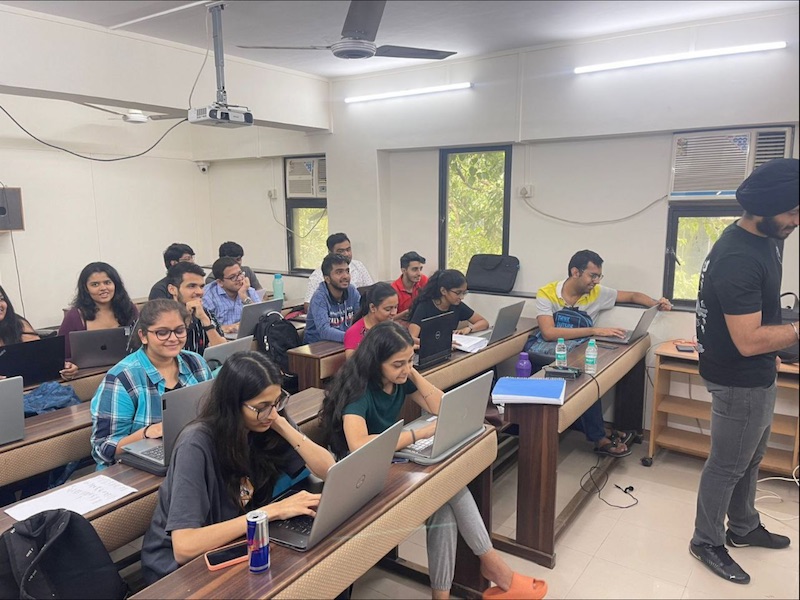
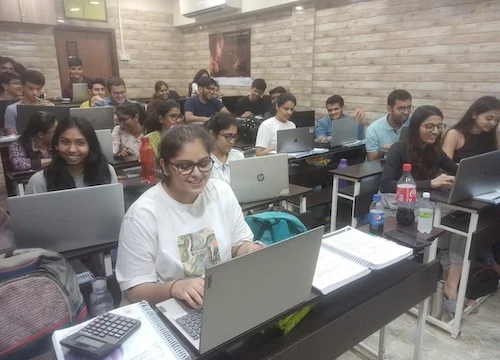
US CMA Classroom Coaching. Redefined.
- World Class Infrastructure
- Expert Tutors
- Hands on Learning
- Rigorous Assessments
- One on One Mentoring
- Content: Hock International
- Revision & Doubt Solving Bootcamps
- Synthesis eCampus
- Systematic Student Progression
- 100% Placement Assistance

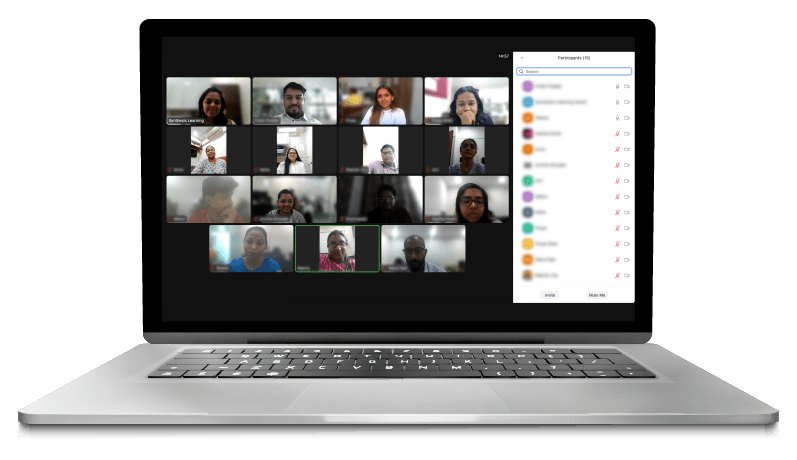
US CMA Live Online Courses.
- Live Study Lectures
- Expert Tutors
- Rigorous Assessments
- Regular Mentoring
- Content: Hock International
- Revision & Doubt Solving Bootcamps
- Synthesis eCampus
- Revision Video Lectures
- 100% Placement Assistance
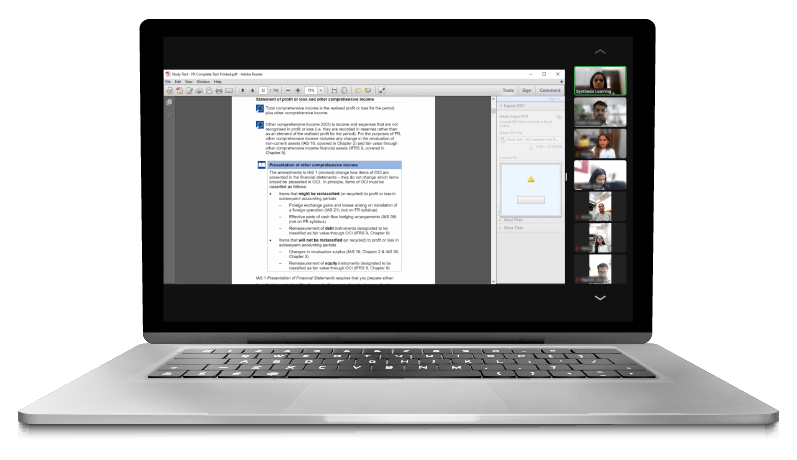
Everything About US CMA, In One Place!
Curated video insights. No confusion. Just clarity.
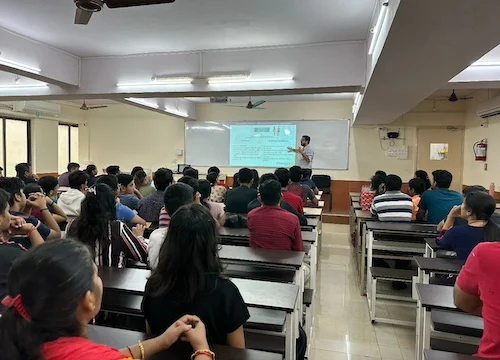
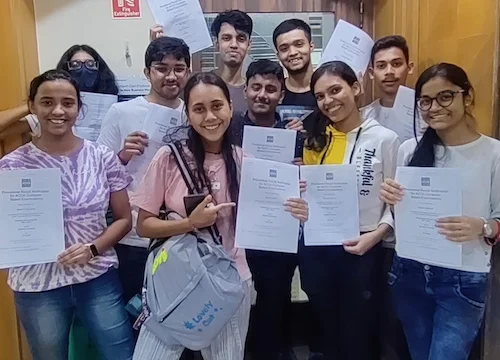
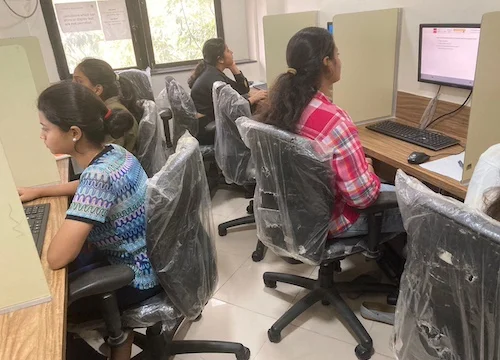
We're generally having Fun (while Learning)
Checkout some quick glimpses of all the memories we're creating at our offices and learning centres








US CMA Jobs and Global Employers
CMAs are in high demand across various industries, including finance, manufacturing, technology, consulting, government, and non-profits.
These companies trust CMAs with their future, do you?


Frequently Asked Questions
What are the eligibility requirements for the US CMA course?
Students can pursue US CMA after completing their 12th std exams.
How much does the US CMA course cost?
The total cost of the US CMA (Certified Management Accountant) certification typically ranges between ₹1.5 to ₹2 lakhs in India. This includes:
- IMA Membership Fees – Required for students or professionals.
- Exam Fees – Covers both Part 1 and Part 2.
- Study Materials & Coaching – Varies based on the provider.
- Other Expenses – Such as exam scheduling fees or re-exam costs (if needed).
The exact cost depends on whether you qualify for student discounts and the choice of study materials/coaching. For detailed breakdown here.
What is the structure of the US CMA syllabus?
The US CMA syllabus is divided into two parts: Financial Planning and Strategic Financial Management, each covering key areas of finance and accounting.
How long does it take to complete the US CMA course?
The US CMA duration typically ranges from 6 to 9 months, depending on individual preparation time.
What study materials are recommended for the US CMA course?
Candidates should use textbooks, mock tests, and online modules aligned with the US CMA exam papers.
How is the US CMA exam structured post-2024 updates?
The updated exam retains its two-part structure but includes revised content specifications. Each part is tested over a 4-hour session, including 100 multiple-choice questions (MCQs) and two essay questions. The passing criteria remain 360 out of 500 (72%)
Are there specific testing windows for the US CMA exams?
Yes, US CMA exams are offered in three annual testing windows: January-February, May-June, and September-October. This scheduling ensures flexibility for candidates while maintaining regular examination cycles.
What is the significance of the US CMA certification?
What is the US CMA syllabus?
What is the cost of the US CMA exam?
The US CMA exam fees can vary depending on the candidate’s membership status with the Institute of Management Accountants (IMA). The exam fee is typically lower for student members, with the fee for each part of the exam being around $370 and for professional members the fee is $ 495. These fees are subject to change, so checking with IMA for the most accurate and up-to-date pricing is advisable.
What are the new topics introduced in the US CMA syllabus?
What is the time limit to complete the US CMA certification?
What resources are available to prepare for the US CMA course?
The IMA collaborates with review course providers to offer updated study materials reflecting the revised syllabus. These include textbooks, online modules, practice tests, and the CMA Exam Support Package, ensuring candidates are well-prepared for the certification.
Read More
Your Comprehensive Guide to CMA Course Details
The Certified Management Accountant (CMA) course is a highly sought-after professional certification that enhances financial management, strategic decision-making, and cost analysis expertise. Recognised globally, it is available in two formats: CMA USA and CMA India, each tailored to different career needs. The US CMA course details highlight its international recognition, while the CMA course in India follows a structured pathway under the Institute of Cost Accountants of India (ICMAI). This certification enables professionals to advance in roles such as financial analyst, management accountant, and risk consultant, with opportunities in multinational corporations, government agencies, and consultancy firms. The CMA India course duration and the CMA USA course duration vary based on study mode, offering flexibility to students and working professionals. Understanding the US CMA course syllabus, US CMA course eligibility and US CMA course fees is crucial for aspirants looking to enroll in the program
CMA USA vs CMA India: Key Differences Explained
The CMA (Certified Management Accountant) qualification is one of the most respected credentials in the management accounting and finance field. Many students and professionals are often unsure about choosing between CMA USA and CMA India. Both certifications focus on management accounting and financial analysis but differ in structure, duration, and global reach.
Here are a few important points to note before making your choice:
- CMA USA is recognised internationally and suits professionals planning to work abroad or in multinational firms.
- CMA India is ideal for those who want to build a career in cost accounting within India.
- The course format, eligibility, and training requirements vary across both qualifications.
Below is a detailed comparison of CMA USA vs CMA India to guide your decision:
CMA USA Vs CMA India
| CMA USA | CMA India |
Course Duration | 1 Year | 3 Years |
Regulatory body | Institute of Management Accountants | Institute of Cost Accountants of India |
Eligibility | Class 12 / UG | Class 12 |
Course format | 2 parts | 3 levels (foundation, intermediate and final level) |
Pass Criteria | Minimum of 360 marks out of 500 | 40% for individual papers and 50% aggregate. |
Recognition | Globally recognized | Indian certification |
Articleship | Two continuous years of professional experience | 15 months |
What is the US CMA Course?
The US CMA course (Certified Management Accountant) is a globally recognised management accounting certification focusing on financial management, strategic planning, and decision-making skills. It is designed for professionals seeking expertise in cost management, risk management, and financial planning. The Institute of Management Accountants (IMA®) awarded the certification, which is widely accepted across industries and countries.
CMA USA Course Eligibility
Understanding the CMA USA course eligibility is essential before beginning your certification journey. The requirements are designed to be flexible, allowing early entry while giving candidates time to fulfil all academic and professional criteria.
IMA Membership
– An active membership with the Institute of Management Accountants (IMA®) is mandatory.
– Students must enrol as IMA members before registering for the CMA USA exams.
Academic Qualification
– Candidates can appear for the CMA USA exams after completing Grade 12.
– To earn the US CMA certification, you must hold a bachelor’s degree from an accredited university or college.
– For Indian students, degrees recognized by the UGC or AICTE are accepted.
Professional Experience for US CMA in India
– A minimum of two years of relevant work experience in management accounting or financial management is required.
– This experience can be completed before or within seven years of passing both parts of the CMA USA exams.
US CMA Course Eligibility
Before enrolling, it’s important to understand the US CMA eligibility criteria set by IMA. Meeting these requirements is the first step toward starting your certification journey. Here’s a quick overview of the CMA USA eligibility criteria in India to help you determine if you qualify.
Educational Qualification:
You can start US CMA after grade 12. A bachelor’s degree and work experience are required after completing the US CMA exams to get the certification/designation of US CMA.
Professional Experience:
Candidates must complete at least two years of relevant work experience in management accounting or financial management.
IMA Membership:
Enrolling as a member of the Institute of Management Accountants (IMA) is mandatory.
The US CMA eligibility in India remains the same as international criteria, ensuring that Indian candidates are held to globally recognized standards. Our experts can guide you through the documentation and application process seamlessly.
For those researching CMA USA course eligibility, it’s crucial to prepare early by gaining practical exposure alongside your academic qualifications.
Requirement | Details |
Educational Qualification | Start the US CMA after Grade 12. |
Professional Experience | Minimum of 2 years relevant work experience in management accounting or financial management. |
IMA Membership | Mandatory enrollment as a member of the Institute of Management Accountants (IMA). |
US CMA Exam Pattern: Overview
The US CMA exam is divided into two parts, each lasting 4 hours. Each part includes 100 multiple-choice questions (MCQs) and two essay questions based on business scenarios. Candidates must correctly answer at least 50% of MCQs to unlock the essay section. Each part is scored out of 500, with a minimum passing score of 360. Exams are administered online at Prometric Testing Centers, and both parts must be completed within three years of registration.
Exam Part Breakdown & Key Details:
Aspect | Details |
Exam Parts | 2 parts (Part 1 & Part 2) |
MCQs | 100 questions per part covering the CMA syllabus |
Essay Questions | 2 essay questions per part, 30 minutes each, based on business scenarios |
Passing Criteria | Minimum 360/500 (73%) required to pass |
Completion Window | Both parts must be completed within 3 years of registration |
Flexibility | Parts can be taken in any order |
Online Testing | Conducted at Prometric Testing Centers |
Essay Section Rule | Cannot return to MCQs once essays begin |
Key Points to Remember:
- You must pass both parts separately to earn the CMA designation.
- The exam offers flexibility in scheduling but requires careful planning
- Understanding the passing criteria and exam structure is essential to maximise success.
US CMA Course Syllabus
The US CMA course syllabus is compact yet comprehensive, designed to equip candidates with expertise in both financial operations and strategic decision-making. Structured into two parts, it provides an in-depth understanding of accounting, finance, and business management practices aligned with global standards. Here’s a detailed look at the US CMA syllabus to help you plan your preparation effectively.
Part 1: Financial Planning, Performance, and Analytics
This section covers the fundamentals of financial reporting and analysis, cost management, and performance measurement. Key topics include:
- External Financial Reporting
- Planning, Budgeting, and Forecasting
- Performance Management
- Cost Management
- Internal Controls
- Technology and Analytics
Part 2: Strategic Financial Management
Part 2 focuses on high-level strategic skills essential for senior finance roles. Topics include:
- Corporate Finance
- Decision Analysis
- Risk Management
- Investment Decisions
- Professional Ethics
- Financial Statement Analysis
The US CMA course syllabus also emphasises the application of technology and data analytics, ensuring that professionals are future-ready. It is regularly updated by the Institute of Management Accountants (IMA) to reflect the latest industry practices and global financial standards.
US CMA Exam Course Details
The US CMA course details provide a comprehensive roadmap for understanding core financial concepts, risk management, and decision-making skills essential in today’s competitive business environment. This course is structured to equip candidates with practical tools for budgeting, performance management, and financial reporting. With a focus on both theoretical knowledge and real-world application, the US CMA course details ensure candidates gain a thorough grasp of management accounting practices. The CMA course comprises two parts that cover various aspects of management accounting and financial analysis.
Part 1
Subject – Financial Planning, Performance, and Analytics
Topic | Weightage |
External Financial Reporting Decisions | 15% |
Planning, Budgeting, and Forecasting | 20% |
Performance Management | 20% |
Cost Management | 15% |
Internal Controls | 15% |
Technology and Analytics | 15% |
Part – 2
Subject – Strategic Financial Management
Topic | Weightage |
Financial Statement Analysis | 20% |
Corporate Finance | 20% |
Business Decision Analysis | 25% |
Enterprise Risk Management | 10% |
Capital Investment Decisions | 10% |
Professional Ethics | 15% |
Understanding the Passing Score for the US CMA Exam
The Certified Management Accountant (CMA) exam, is governed by the Institute of Management Accountants (IMA), evaluates candidates on advanced-level concepts Financial Planning, Performance, and Analytics and Strategic Financial Management
Each part of the CMA exam measures a candidate’s ability to apply knowledge through analytical and scenario-based questions.
Achieving success in the CMA exam demands strong conceptual understanding, strategic preparation, and consistent effort. The exam’s passing criteria reflect the high standards expected of management accounting professionals. On average, candidates dedicate around 170 hours of focused study for each part of the exam.
Below is the breakdown of the CMA exam scoring system:
Passing Score for the CMA Exam | Deails |
Maximum Marks for Each Part | 500 Marks |
Passing Marks for Each Part | 360 Marks |
To pass the CMA exam, candidates must score at least 360 out of 500 in each part. This benchmark reflects a mastery-level understanding of management accounting concepts, highlighting the need for a disciplined study plan and consistent practice.
Benefits of the US CMA Course
The US CMA course offers numerous advantages for professionals looking to build a strong career in finance and accounting.
Global Recognition:
Accepted in over 150 countries, the CMA course opens doors to international career opportunities.
It is a globally respected qualification recognised by multinational corporations, financial institutions, and consulting firms.
Career Advancement:
CMAs often secure leadership roles in financial planning, analysis, and management.
Employers value CMA-certified professionals for their ability to drive strategic decision-making and business performance.
Higher Earning Potential:
Certified professionals earn significantly higher salaries than non-certified peers.
According to IMA surveys, CMA-certified professionals earn up to 58% more than non-CMAs at mid-career levels.
Skill Enhancement:
The CMA course syllabus covers financial strategy, risk management, and analytics, equipping candidates with essential skills.
It also includes performance management, budgeting, and investment decision-making, ensuring a well-rounded understanding of financial operations.
US CMA Fees in India
Understanding the US CMA course fees in India is crucial for planning your certification journey. The total fees include IMA membership, exam registration, entrance fees, and coaching costs. At Synthesis Learning, we offer flexible payment plans for US CMA Course fees, along with value-packed coaching solutions to make the process more affordable. Check out the detailed US CMA fees to budget effectively and choose the right plan for your CMA® journey.C
compared to many international courses, the US CMA course fees in India remain competitive, especially considering the global value and recognition the qualification offers. For local candidates seeking expert guidance, explore the detailed US CMA fees in mumbai to plan your investment wisely.
Here is the US CMA fees in India table for your reference:
Category | Type | Fees (USD) | Notes |
IMA Membership Fee | Professionals | $295* annually | Includes access to learning resources, discounts, and industry insights |
Students | $49* / $160 annually | Same benefits at a discounted rate | |
US CMA Course Entrance Fee | Professionals | $300 | One-time, non-refundable fee |
Students | $225 | One-time, non-refundable fee | |
CMA USA Exam Fee (Per Part) | Professionals | $545 | Payable per exam part |
Students | $407 | Payable per exam part | |
Annual Maintenance Fee | Professionals Students | $30 $30 | Payable every year |
Candidates should consider additional expenses like study materials, coaching, and travel. For the most accurate and updated information, visit the IMA Official Website.
CMA Course Duration
The CMA US course duration is flexible and can be completed in as little as 6 to 12 months, depending on your pace of study. With proper coaching and a structured study plan, many candidates clear both parts within a year.
Similarly, the USA CMA course duration remains consistent worldwide, offering students across India the same fast-track opportunity for career advancement. Plan your preparation effectively by understanding the CMA USA course duration. This ensures you complete both parts within your preferred timeline.
Explore the CMA US course details to understand the structure, syllabus, and benefits of the program.
CMA Course Duration in India
- The CMA US duration in India is typically 6–9 months for full-time candidates, covering both parts of the exam.
- Part-time candidates may take up to 1–1.5 years to complete the journey, which aligns with the IMA’s exam eligibility window and the typical US CMA course duration. For many working professionals, this flexible US CMA course duration allows them to balance preparation with job or academic commitments effectively.
- Many institutions offer accelerated programs to help candidates reduce the CMA US duration and complete the certification faster.
- Planning your study schedule carefully can optimise learning within the designated course duration.
- Structured coaching and targeted study materials further support candidates in completing the CMA US program on time.
CMA Course Duration After Graduation
Graduates can complete the CMA course within 6-12 months, depending on their preparation and study schedule.
Many institutions offer accelerated coaching programs to fast-track completion.
Some universities offer a CMA-integrated curriculum, allowing students to earn their certification alongside their degree.
Scholarships and Financial Aid for the CMA USA Course
Pursuing the CMA USA course can be a significant financial investment, but there are ways to make it more affordable through scholarships and financial aid.
Scholarships Offered by IMA:
IMA CMA Scholarship: Available for high-performing students nominated by professors, covering CMA USA exam fees, entrance fees, and membership fees.
Global Outreach Scholarships: These scholarships target candidates from underrepresented regions, including India, making the CMA USA course fees more accessible.
Tips to Reduce CMA USA Course Fees:
- Opt for student membership if eligible, as it can significantly reduce the overall CMA US course fees.
- Look for early-bird discounts on coaching and study materials to lower your US CMA course fees.
- Take advantage of flexible payment plans offered by institutions to manage CMA US course fees conveniently over time.
- Enroll with Synthesis Learning to receive an extra discount on your US CMA course fees.
- Consider bundling study materials with your course enrollment to further optimise your CMA US course fees.
- Plan your registration and exam schedule in advance to avoid last-minute surcharges that may increase your US CMA course fees.
- Compare different institutes’ offerings to ensure you are getting the best value for your CMA US course fees.
US CMA Exam Fees: Overview
The total cost of pursuing the US CMA certification varies depending on whether you register as a Professional Member or a Student/Academic Member. The overall fees include the IMA membership, CMA entrance fee, and exam fees for both parts of the CMA exam. In addition, all certified CMAs are required to renew their IMA membership annually and pay the CMA Annual Maintenance Fee to maintain their certification status.
Category | CMA Entrance Fee | Exam Fee (per part) | IMA Membership Fee | CMA Annual Maintenance Fee |
Professional Members | $300 | $545 | $295 | $30* |
Student/Academic Members | $225 | $407 | $49 – $160 | $30* |
To maintain certification, CMAs must renew their IMA membership and pay the CMA Annual Maintenance Fee each year.
Breakdown of US CMA Exam Fees:
- IMA Membership Fee: Annual fee to join the Institute of Management Accountants (IMA).
- CMA Entrance Fee: One-time, non-refundable fee to become eligible for the exams.
- CMA Exam Fees: Paid separately for each of the two exam parts.
Cost Comparison (Late 2024 / Early 2025):
Where to Check Latest Fees:
- IMA Website: For official and up-to-date information.
Link – https://in.imanet.org/ima-certifications/cma-certification/enroll-in-the-cma
Additional Costs to Consider:
- Study Materials: Budget for guides, review courses, and other learning resources.
- Taxes and Charges: International payments may incur bank fees or taxes.
A Step-by-Step Guide to Enrolling in the CMA USA Course
If you’re wondering how to enroll in the CMA USA course, here’s a step-by-step guide to help you navigate the process:
Join IMA Membership:
Begin by becoming a member of the Institute of Management Accountants (IMA®). This is mandatory to register for the exams.
Pay the Entrance Fee:
The CMA USA course fees include an entrance fee of $225–$300, depending on your membership type (student/professional).
Choose a Study Plan:
Decide between self-study and coaching through institutions like Synthesis Learning, which provides structured guidance.
Register for the Exam:
Select your testing window and book the exam. Remember, the exam windows are January–February, May–June, and September–October.
Prepare with Study Materials:
Use official CMA USA study materials or third-party resources that align with the exam’s format and syllabus.
Attempt the Exam:
Take the two-part exam, ensuring you meet the US CMA eligibility and score at least 360/500 on each part.
Study Materials and Preparation
Success in the US CMA course requires robust preparation. Candidates can utilise resources such as:
- Comprehensive textbooks aligned with the CMA US syllabus.
- Practice tests that mimic the actual US CMA exam papers.
- Online platforms are offering interactive learning modules.
How Does the US CMA Course Compare to Other Accounting Certifications?
The US CMA course is uniquely positioned among global accounting certifications due to its dual focus on financial accounting and management strategy. Unlike other qualifications emphasizing public accounting or general finance, the CMA USA course offers a blend of technical and strategic skills.
Key Differentiators of the US CMA Course:
Strategic Emphasis:
While certifications like CPA focus primarily on compliance and taxation, the CMA USA syllabus includes decision analysis, corporate finance, and risk management.
Global Relevance:
Accepted in over 150 countries, the CMA USA course is ideal for professionals aiming to work internationally.
Shorter Duration:
The CMA USA duration of 6–9 months makes it faster to complete than multi-year courses like ACCA or CPA.
Focused Syllabus:
Divided into two parts, the CMA USA course details emphasize practical financial planning and strategic management knowledge rather than exhaustive theory.
Leadership-Oriented Curriculum:
The CMA USA syllabus integrates advanced topics like professional ethics and technology, preparing candidates for leadership roles.
US CMA Coaching
Choosing the right US CMA coaching institute is essential for exam success. At Synthesis Learning, our US CMA coaching programs are structured to offer in-depth subject knowledge, exam strategies, and individual mentoring.
Our US CMA coaching includes:
- Live and recorded classes by expert faculty
- Regular mock tests and performance tracking
- Personalized mentoring for doubt resolution
- Access to updated study materials and question banks
- Career support through placement assistance
Our US CMA coaching also offers batch flexibility for working professionals, students, and graduates, allowing you to easily balance your learning schedule. Join Synthesis Learning to receive the best guidance and support throughout your US CMA coaching.
Why Choose Synthesis Learning for the US CMA Course?
Synthesis Learning is a trusted partner for achieving the US CMA course certification. With a strong focus on concept clarity, career readiness, and industry-relevant skills, we empower students to succeed in their journey toward becoming Certified Management Accountants.
You’re Not Joining a Class. You’re Entering a Career Ecosystem
At Synthesis Learning, education goes beyond textbooks. We shape your entire career journey with mentorship, skill development, and global readiness.
22+ Years of Legacy
With over two decades of experience, we’ve trained 20,000+ students across 25+ cities and 10+ countries. We’ve earned the trust of aspiring finance professionals nationwide.
House of Global Courses
We are India’s go-to destination for international finance qualifications like CFA, US CMA, and ACCA. Our programs offer unmatched curriculum depth and flexibility.
Best Tutors in the Game
Learn from industry professionals, including practising CAs, CMAs, and ACCAs. They bring real-world experience in core subjects like costing, decision-making, and performance management.
Blended Learning Model
Our hybrid approach includes classroom sessions for US CMA coaching in Mumbai, live online lectures, and access to our Learning Management System. This allows you to study your way.
Premium Content Support
We partner with Hock International, a global leader in CMA prep materials. You get top-tier resources to support your exam success.
Campus-to-Corporate Program
We help you grow beyond academics with resume building, LinkedIn optimisation, and interview coaching. Our goal is to boost your professional presence.
End-to-End Placement Support
Our dedicated placement team supports you until your first job. We guide you toward opportunities at Big 4 firms and leading MNCs.
50% IMA Discounts Passed to You
Save up to 50% on IMA registration and exam fees through our special partnerships. We maintain complete transparency with no hidden charges.
Student-First Approach
Our teaching quality, mentorship, and career-focused training have helped thousands of CA, ACCA, and CMA aspirants achieve their goals with confidence.
CMA Online Course
Many candidates opt for a CMA online course to balance studies with personal and professional commitments. Our virtual format replicates the classroom experience with the added benefit of flexibility.
Interactive Learning
Attend live classes led by expert faculty who bring real-world insights into every session. This format encourages active participation and instant doubt-solving for a deeper understanding of the CMA US course details.
Self-Paced Study
Access recorded sessions anytime to study at your own pace, ideal for working professionals and college students. This feature complements the live experience and supports long-term retention of CMA USA course details.
Mock Tests & Assessments
Regular assessments and mock exams help track your progress and prepare you for the real test. These evaluations follow the official US CMA course structure for maximum exam alignment.
One-on-One Mentoring
Personalised guidance from expert mentors ensures that each student receives support tailored to their learning style. This focused approach is especially helpful for complex topics or revision planning.
Career Support
We go beyond academics to offer resume reviews, interview coaching, and corporate connections. Our career services are structured to ensure every learner from our US CMA classes in India enters the job market with confidence.
Common Challenges Faced During the CMA USA Course and How to Overcome Them
While the US CMA course offers immense benefits, candidates often face challenges during their preparation. Here are some of the most common obstacles and actionable tips to overcome them:
Managing Time for Studies:
Challenge:
Working professionals may struggle to balance job responsibilities and exam preparation.
Solution:
Allocate specific time slots daily for focused study, and utilize online CMA USA study materials for flexibility.
Understanding Complex Topics:
Challenge:
Advanced subjects like corporate finance and decision analysis can be daunting.
Solution:
Break these topics into smaller modules and seek guidance from mentors or coaching institutes.
Affording the Fees:
Challenge:
The CMA USA course fees may seem high for some candidates.
Solution:
Apply for scholarships, and explore discounted rates for students or early registration.
Navigating the Exam Format:
Challenge:
The two-part exam structure with essays and MCQs can be overwhelming.
Solution:
To build confidence, practice extensively with mock tests and past CMA USA exam papers.
Future Trends in Management Accounting and the Role of CMA USA Certification
The field of management accounting is evolving rapidly, and the CMA USA course is designed to prepare candidates for these changes.
Emerging Trends:
Sustainability Accounting:
Organizations are prioritising environmental, social, and governance (ESG) factors, and CMAs play a crucial role in integrating these into financial reporting.
AI and Machine Learning in Accounting:
The CMA USA syllabus prepares candidates to leverage AI tools for forecasting and budgeting.
Globalization of Finance:
As markets become more interconnected, the global recognition of the CMA USA certification becomes an invaluable asset.
Strategic Advisory Roles:
CMAs are increasingly viewed as strategic partners to C-suite executives, thanks to their expertise in risk assessment and financial planning.
US CMA Coaching in India
Choosing the right US CMA coaching in India is key to passing the exams efficiently. Synthesis Learning offers interactive classes, expert faculty, mock tests, and career guidance to ensure you’re fully prepared. Our coaching formats classroom, online, and hybrid are designed to meet the needs of students and professionals alike.
US CMA Coaching in Mumbai
If you’re planning to pursue the US CMA, enrolling in a trusted institute offering a CMA course in Mumbai can make your preparation more streamlined and efficient. Synthesis Learning provides a structured learning path with expert mentors, mock assessments, and placement support to help you confidently clear the exams. With flexible formats such as classroom batches, online modules, and hybrid learning, these US CMA classes in Mumbai are ideal for both students and working professionals. Before enrolling, you can also get clarity on CMA course fees in Mumbai to better plan your learning journey. With another CMA course in Mumbai available through flexible schedules, aspirants can prepare effectively while managing academics or work commitments.
Conclusion
The CMA course is a career-transforming opportunity for professionals in management accounting and finance. With a well-rounded CMA syllabus, flexible CMA course duration and fees, and global recognition, it is an ideal choice for those seeking career growth. Partnering with Synthesis Learning ensures you receive the best coaching, study materials, and career support to complete the CMA USA course and advance your career successfully. Learn more about the US CMA course details and discover how this certification can elevate your professional journey.
FAQs
1. What are the important factors to note about the CMA course details in India?
The CMA course in India, offered by ICMAI, has three levels—Foundation, Intermediate, and Final. It focuses on cost management, financial planning, and strategic decision-making. Students usually complete the course in 3–4 years, including practical training.
2. What is the CMA India course duration and structure?
The CMA India course has three stages: Foundation, Intermediate, and Final. Each level takes around 8–18 months to finish. Most students complete all levels and training in about 3–4 years.
3. What are the US CMA course details?
The US CMA, managed by IMA®, includes two parts: Financial Planning, Performance & Analytics, and Strategic Financial Management. It requires passing both exams and two years of work experience. The course usually takes 6–9 months to complete.
4. What is the US CMA course syllabus?
The US CMA syllabus has two parts: Part 1 covers financial planning and analytics, while Part 2 focuses on strategic finance. It includes topics like budgeting, cost control, and risk management. The syllabus prepares candidates for global financial and managerial roles.
5. What are the US CMA course eligibility criteria?
Students can register after Grade 12 but must have a bachelor’s degree to get certified. They also need two years of experience in management or financial accounting. These requirements make the CMA USA globally credible.
6. What is the US CMA course fee structure?
The total fee depends on your membership type—students pay around $1,014, while professionals pay about $1,585. It covers IMA membership, entrance, and exam fees. Extra costs like study material or coaching may apply.
7. How does the CMA USA course eligibility compare to CMA India?
CMA USA needs Grade 12, a bachelor’s degree, and two years of work experience. CMA India has three exam levels with mandatory practical training. The US CMA is globally valued, while CMA India is respected in the domestic and government sectors.
8. Is the US CMA course beneficial for students in India?
Yes, it’s ideal for students who want international career opportunities. Many institutes in India offer flexible CMA USA coaching alongside graduation. It helps students start early and complete work experience later.
9. Can the US CMA course be completed alongside a full-time job?
Yes, the US CMA duration of 6–9 months suits working professionals. Many institutes offer weekend and online classes for convenience. You also get up to three years to clear both exams.
10. How does the US CMA course syllabus align with international standards?
The US CMA syllabus matches global business needs with topics like analytics and corporate finance. It builds decision-making and leadership skills valued worldwide. This makes it ideal for roles in multinational companies.
11. What is the cost comparison between the US CMA course fees in India and the US?
Fees are similar globally, but Indian students benefit from lower coaching and training costs. Institutes like Synthesis Learning offer discounted packages. This makes the CMA USA certification more affordable in India.
12. How long does it take to complete the CMA US course duration after graduation?
Graduates can complete the CMA USA in 6–12 months with regular study. Fast-track batches help finish it within a year. Candidates get up to three years to clear both exam parts.
13. How will the US CMA benefit Indian candidates?
The US CMA course in India helps Indian professionals gain global recognition in finance and management. It boosts career prospects in MNCs and global firms. Many students choose a US CMA course in Mumbai for quality training and placement support.
14. What kind of skills are tested for in the US CMA exam?
The exam tests financial planning, analysis, and decision-making skills. Through practical learning, US CMA coaching in Mumbai helps candidates master budgeting, risk management, and performance evaluation—core skills needed for finance leadership.
15. How much time do I have to pass both CMA exam parts?
After enrolling in a US CMA course in Mumbai, candidates have three years to pass both parts. A trusted US CMA institute in Mumbai guides students with structured study plans and mock tests to finish on time.
16. Can I retake the exam?
Yes, you can retake any part if you don’t pass. Most aspirants join US CMA classes in Mumbai for focused revision and expert guidance to improve their scores on the next attempt.
17. Do I need an accounting background to enrol on the US CMA program?
No, it’s not mandatory. The US CMA course in India accepts candidates from all educational streams. Reputed US CMA coaching in Mumbai and US CMA classes in Mumbai provide beginner-friendly training for non-accounting students.