The post-boards period is often accompanied by a mix of relief and uncertainty. For students who have completed their 12th in Commerce, the question of “What next?” assumes critical importance. Commerce graduates have access to a wide spectrum of career options, yet this abundance often results in complexity and indecision.
Selecting the appropriate pathway requires careful consideration. Choices span traditional undergraduate degrees, professional courses recognised nationally, and international certifications that confer global recognition. Each option varies in duration, cost, scope, and long-term potential, making informed decision-making essential.
This guide aims to provide a structured overview of the most significant academic and professional career options after 12th commerce. It will analyse Indian chartered courses, global finance certifications, undergraduate degrees, and interdisciplinary programs.
We recognise the importance of expert guidance. Beyond providing coaching for courses such as ACCA, CFA, and US CMA, we offer career counselling that aligns students’ strengths, preferences, and aspirations with suitable pathways. This integrated approach ensures that each student can make a strategic, informed choice.

Understanding Your Career Personality
A considered career decision begins with self-assessment. Aligning one’s natural aptitude and interests with a chosen pathway significantly enhances the probability of professional success and satisfaction.
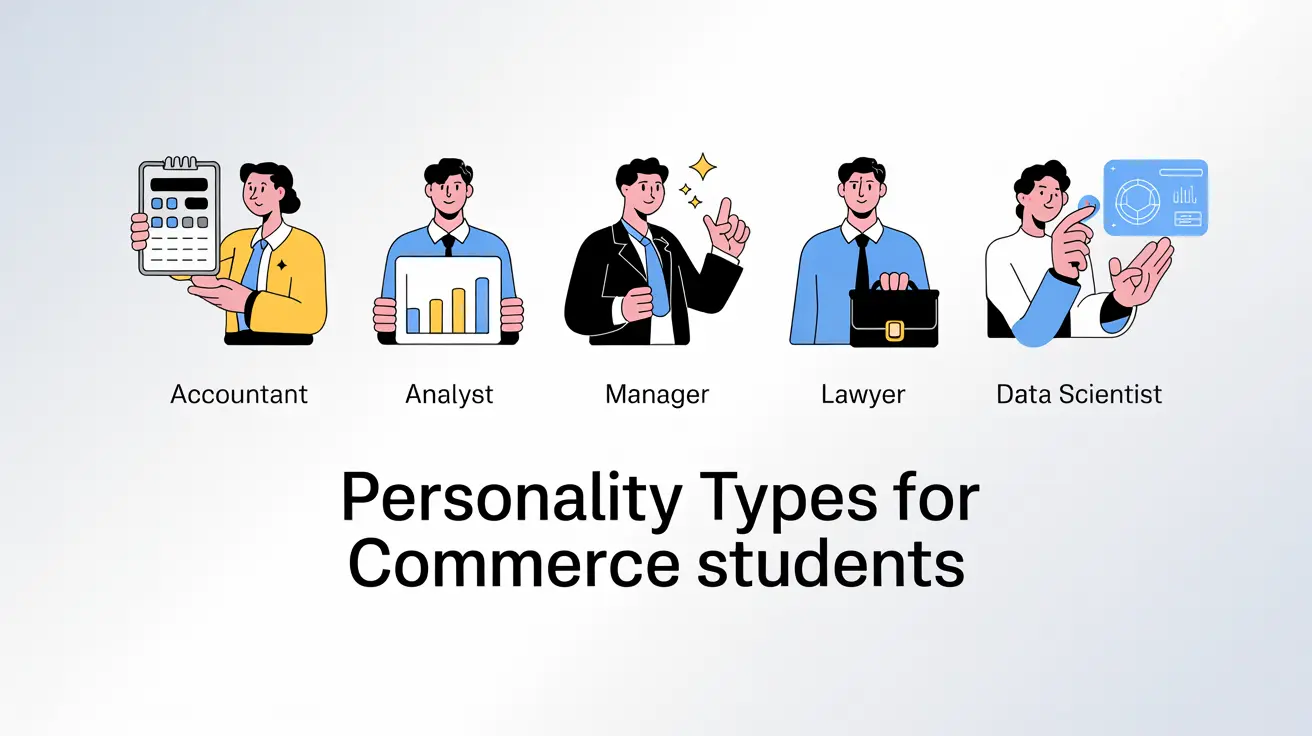
Students should reflect on the following categories:
The Number Cruncher
Individuals who are meticulous with numbers, enjoy accounting, taxation, and precise financial analysis, are well-suited for Chartered Accountancy (CA), ACCA, or CMA programs.
The Strategist
Those intrigued by financial markets, investments, and economic trends may find CFA or Economics Hons programmes suitable, emphasising analytical reasoning and market evaluation.
The Manager
Students with an inclination towards leadership, organisational strategy, and business management are aligned with BBA or BMS programmes, which develop practical managerial competencies.
The Legal Analyst
Individuals with strong attention to detail and an interest in corporate law, regulatory compliance, and governance may pursue CS or BBA LLB programmes.
The Tech-Oriented Analyst
Students with an aptitude for technology, data interpretation, and logical reasoning may prefer BCA or Data Analytics programmes, which integrate commerce knowledge with technical expertise.
Reflecting on these categories helps students identify after commerce which course is best suited to their individual strengths and ambitions.
Professional Chartered Courses
Professional chartered courses in India represent rigorous, high-prestige credentials that offer extensive career opportunities across sectors. They are among the best courses after 12th commerce for students seeking credibility and recognition in finance and governance.
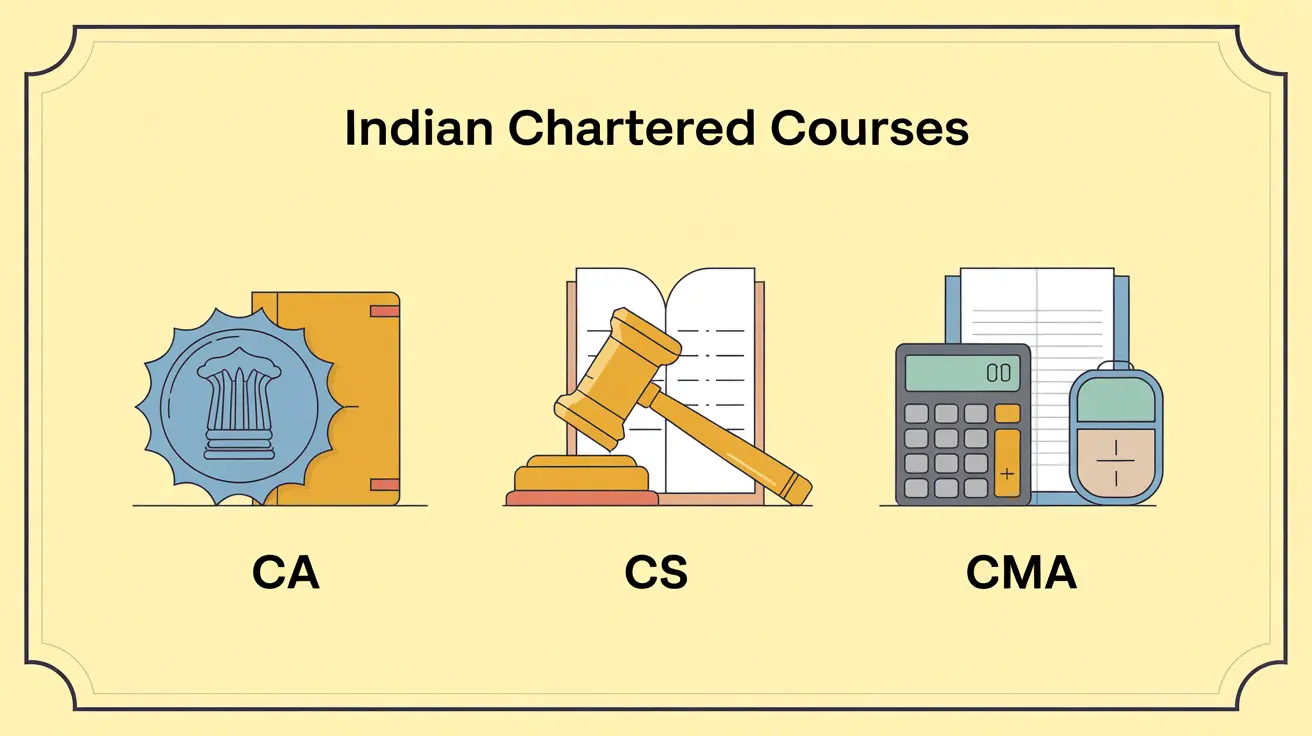
Chartered Accountancy (CA)
Governing Body: ICAI (Institute of Chartered Accountants of India)
Pathway: Foundation → Intermediate → Articleship → Final
Duration: Approximately 4.5–5 years
Scope: CAs are qualified in auditing, taxation, financial management, and consulting. They also possess the expertise required to establish independent practices or advisory firms. The programme demands sustained dedication, analytical ability, and ethical rigor.
Company Secretary (CS)
Governing Body: ICSI (Institute of Company Secretaries of India)
Pathway: Foundation → Executive → Professional
Duration: 3–4 years
Scope: CS professionals specialise in corporate governance, legal compliance, and board administration. Their expertise is crucial for ensuring statutory adherence and facilitating corporate decision-making processes.
Cost and Management Accountancy (CMA)
Governing Body: ICMAI (Institute of Cost Accountants of India)
Pathway: Foundation → Intermediate → Final
Duration: 3–4 years
Scope: CMAs focus on cost auditing, strategic planning, budgeting, and management consulting. Professionals in this domain guide organisations in achieving financial efficiency and operational effectiveness, particularly in manufacturing, finance, and corporate sectors.
International Finance and Accounting Programs
For students aspiring to work in multinational corporations or pursue global opportunities, international finance and accounting certifications are some of the best courses after 12th for commerce students. They provide exposure to global standards, mobility, and high employability.

Association of Chartered Certified Accountants (ACCA)
Body: ACCA, United Kingdom
Eligibility: 12th pass (with specific marks; alternatively via FIA)
Exams: 13 papers
Duration: 2–3 years
Scope: The ACCA qualification prepares students for roles in global accounting, auditing, taxation, and finance. It is widely recognised by MNCs and enables career mobility across jurisdictions. Synthesis Learning provides structured ACCA coaching that integrates practical insights with exam preparation.
Chartered Financial Analyst (CFA)
Body: CFA Institute, USA
Eligibility: Bachelor’s degree or 2 months away from your graduation
Exams: Three levels
Duration: 1.5–4 years
Scope: CFA professionals specialise in investment banking, portfolio management, and equity research. The programme emphasises financial analysis, risk assessment, and investment strategy.
US Certified Management Accountant (US CMA)
Body: IMA, USA
Eligibility: Bachelor’s degree or pursuing
Exams: Two parts
Duration: 1–1.5 years
Scope: US CMA professionals focus on management accounting, financial planning, and strategic decision-making.
Diploma in International Financial Reporting (DipIFR)
Body: ACCA
Eligibility: Relevant accountancy background
Exams: Single comprehensive paper
Duration: 6–12 months
Scope: DipIFR specialists manage IFRS reporting, bridging domestic and international accounting standards.
Undergraduate University Degrees
Undergraduate degrees remain one of the most sought-after commerce courses due to their academic grounding and flexibility for further study.
Bachelor of Commerce (B.Com)
Types: General, Honours, or Specialised in Accounting/Finance
Duration: 3 years
Advantages: B.Com equips students with comprehensive knowledge in accounting, finance, and economics. It serves as a foundation for advanced studies such as M.Com, MBA, or professional certifications.
Scope: Graduates can pursue careers in banking, accounting, financial services, or further professional studies.
Bachelor of Business Administration (BBA) / Bachelor of Management Studies (BMS)
Focus: Practical business and management skills
Duration: 3 years
Specialisations: Finance, Marketing, Human Resources, International Business
Scope: BBA and BMS graduates are prepared for corporate roles, business analysis, and entrepreneurship.
Interdisciplinary and Emerging Courses
Certain pathways qualify as unique courses after 12th commerce, combining business knowledge with law, technology, or data analysis. These innovative blends provide students with distinct career advantages.
BBA LLB (Integrated Law Program)
Blend: Business Management and Law
Duration: 5 years
Scope: Graduates can pursue careers as corporate lawyers, legal advisors, or in-house counsel.
Other Notable Options
B.A. Economics – Focus on policy analysis, economic research, and consultancy.
Bachelor of Statistics – Specialisation in data analytics, statistical modelling, and quantitative research.
Digital Marketing / Short-Term Certifications – Provide market-relevant skills in marketing, e-commerce, and brand management.
Framework for Course Selection and the Role of Expert Guidance
With so many alternatives available, identifying the best courses after 12th requires a structured framework:
- Alignment with Strengths: Match the programme with personal aptitude and interests.
- Practical Considerations: Evaluate duration, cost, difficulty, and learning style.
- Career Objectives: Consider the preferred industry, geographical location, and long-term professional goals.
- Future Prospects: Assess long-term relevance, growth potential, and industry demand for the qualification.
Synthesis Learning provides counselling that helps students navigate this complexity and make decisions with clarity.
Conclusion
There is no universally superior course for Commerce students. The optimal choice is informed, aligns with personal skills, and supports career aspirations. The completion of 12th Commerce represents an opportunity to access a wide spectrum of academic and professional pathways.
Engage with expert guidance, evaluate each option methodically, and choose a pathway that aligns with both your aptitude and professional ambitions.
Consult a Synthesis Learning counsellor today to clarify your options and establish a structured roadmap for success. Share this guide with peers to assist them in navigating their career decisions effectively.